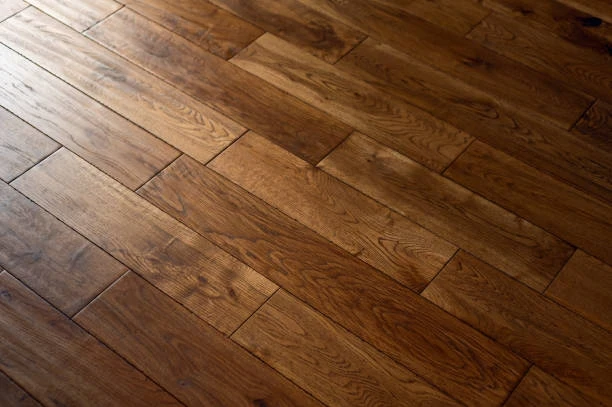
Parquet Flooring Market Threats: Risks Impacting Growth
While the parquet flooring market continues to grow, it faces several threats that can hinder its expansion and profitability. Understanding these risks is critical for manufacturers, investors, and stakeholders to develop strategies to mitigate potential negative impacts. Market threats arise from competition, economic factors, changing consumer preferences, technological shifts, and environmental regulations.
Competition from Alternative Flooring Materials
One of the most significant threats to the parquet flooring market is intense competition from alternative flooring options:
Laminate Flooring: Offers a wood-like appearance at a lower cost with easy installation and low maintenance. Many budget-conscious consumers choose laminate over parquet.
Vinyl and LVT (Luxury Vinyl Tile): Highly durable, water-resistant, and available in a variety of designs, vinyl products appeal to residential and commercial users seeking low-maintenance solutions.
Ceramic and Porcelain Tiles: These are preferred for wet areas, kitchens, and bathrooms where parquet’s susceptibility to moisture is a disadvantage.
The availability of these cost-effective, low-maintenance alternatives reduces market share growth for traditional parquet flooring, particularly in price-sensitive regions.
Economic Fluctuations and Market Uncertainty
Economic instability poses a significant threat to parquet flooring adoption:
Housing Market Slowdowns: Reduced construction activity, home sales, or renovation budgets can directly affect demand for parquet flooring.
Inflation and Rising Material Costs: Increases in timber prices, transportation, and labor costs can make parquet products more expensive, discouraging buyers.
Global Economic Uncertainty: Currency fluctuations and geopolitical tensions may disrupt supply chains, affecting production and distribution.
Such economic factors can reduce consumer spending on premium flooring solutions and slow overall market growth.
Supply Chain Disruptions
Parquet flooring depends heavily on timber sourcing and global logistics. Supply chain disruptions pose a significant threat:
Limited Availability of High-Quality Wood: Certain wood species like oak, walnut, and teak are increasingly scarce, which can affect production timelines and costs.
Transportation Challenges: Shipping delays, rising freight charges, or trade restrictions can disrupt supply chains, especially for companies importing raw materials from distant regions.
Environmental Regulations: Restrictions on logging and deforestation can limit the supply of raw timber, impacting product availability and pricing.
Companies must develop resilient supply chains and diversify sourcing to mitigate these risks.
Technological and Design Disruption
Rapid technological advancements and evolving design preferences can threaten established market players:
Innovative Alternatives: Competitors offering high-quality laminate, vinyl, or composite flooring that mimics wood aesthetics may capture market share from traditional parquet products.
Changing Consumer Preferences: Younger homeowners may prioritize low-maintenance, water-resistant flooring over traditional parquet, reducing its appeal.
Smart Home Integration: Flooring options compatible with smart home technology, such as modular or hybrid solutions, may outperform traditional parquet if innovation is slow.
Failure to adapt to technological and design trends could reduce the relevance of existing parquet products.
Environmental and Regulatory Threats
Environmental concerns and regulations can also threaten market growth:
Sustainability Compliance: Adhering to FSC, PEFC, and other environmental certifications adds cost and complexity to production.
Deforestation Restrictions: Legal limitations on timber harvesting in key regions may constrain raw material availability and increase production costs.
Carbon Footprint Awareness: Increasing consumer scrutiny of the environmental impact of wood flooring may shift demand toward alternative, eco-friendly materials like bamboo, cork, or recycled composites.
These regulatory and environmental factors may force manufacturers to innovate or incur additional costs to remain compliant.
Visit: https://www.pristinemarketinsi....ooring-market-report
#parquetflooring #marketthreats #luxuryinteriors #sustainableflooring #engineeredwood #flooringchallenges #homerenovation