
The Solar System:

The Solar System is a vast neighborhood of planets, moons, asteroids, comets, and dust orbiting our star, the Sun ☀️. It formed about 4.6 billion years ago from a giant rotating cloud of gas and dust known as the solar nebula.

The Sun:
The Sun is a massive ball of glowing gases, primarily hydrogen and helium. It provides the energy needed for life on Earth and controls the movement of every planet in the Solar System.

Planets and Order:
• Mercury
• Venus
• Earth 🌍
• Mars
• Jupiter
• Saturn
• Uranus
• Neptune

Planet Types:
Terrestrial Planets (rocky): Mercury, Venus, Earth, Mars
Gas Giants: Jupiter and Saturn
Ice Giants: Uranus and Neptune

Earth:
Earth is the only known planet to support life. It has liquid water, a protective atmosphere, and a stable climate system. Life thrives in oceans, forests, mountains, deserts, and polar regions.

The Moon:
Earth’s Moon orbits our planet and influences tides and night lighting. It formed billions of years ago — possibly from a massive collision between Earth and another object.

Asteroids & Comets:
Asteroids are rocky leftovers from the solar system's creation. Comets are icy bodies that develop glowing tails when near the Sun ✨.

Why It Matters:
• Understanding the Solar System helps us understand Earth
• It reveals the history of our cosmic environment
• It guides future exploration 🚀

Conclusion:
The Solar System is not just our home — it is a dynamic, evolving, and mysterious space we continue to study and explore. 🌌

#solarsystem #planet #moon #comets

Hey, Saturn! 👋

This weekend, the ringed planet reaches opposition. That means it's orbiting opposite to the Sun, so Saturn will appear brighter in the night sky – be sure to look up!

Hubble captured this view of Saturn when it was near opposition back in 2020. Two if its icy moons are also visible in this image: Mimas at right, and Enceladus at bottom.

Image credit: NASA, ESA, A. Simon (Goddard Space Flight Center), M.H. Wong (University of California, Berkeley), and the OPAL Team

#nasa #hubble #saturn #planet #stargazing #astronomy #astrophotogrpahy #universe #cosmos #telescope

image

“It’s not enough to love animals; we must actively protect and preserve them. It’s our duty and responsibility as custodians of this planet.”

#lolakorneevets #animalrights #animalrightsactivist #planet #world #animallover

image

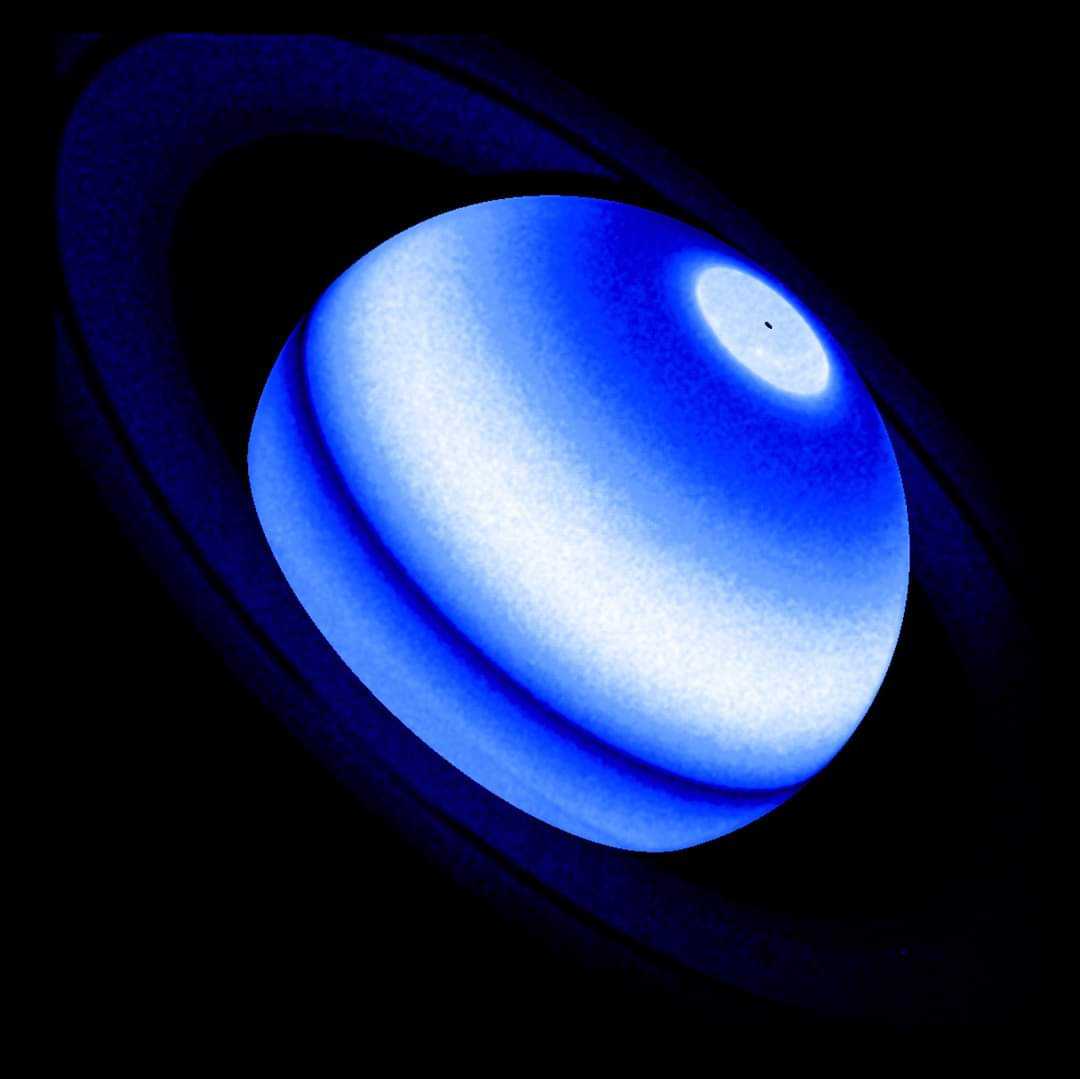
Saturn is known for its iconic rings.

And with Hubble's help, now we know that these rings are also heating the giant planet's upper atmosphere!

This phenomenon hasn't been seen before in our solar system, but this unexpected interaction between Saturn and its rings could provide a tool for predicting if planets around other stars have ring systems as well.

The evidence comes from an excess of ultraviolet radiation detected by Hubble and other NASA missions, seen as a spectral line of hot hydrogen in Saturn's atmosphere. This ultraviolet Hubble image shows the hydrogen emissions, brightest above the equatorial region.

Image credit: NASA, ESA, Lotfi Ben-Jaffel (IAP & LPL)

#nasa #hubble #saturn #news #planet #space #science #astronomy #universe #telescope

image

We’ve got an outer planet weather report!

Hubble regularly checks in on the outer planets in our solar system to monitor changes in seasons and atmospheres.

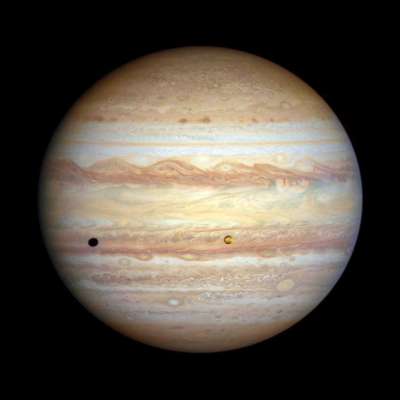
In these recent images of Jupiter, a “vortex street” of storms rage in the lower northern latitudes, seen as a wave pattern in the first image.

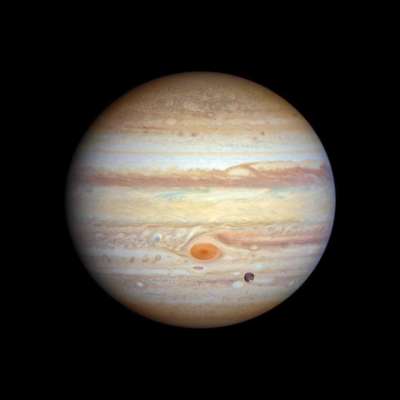
Meanwhile, Jupiter’s famous Great Red Spot continues to storm in the second image, but it’s actually shrunken down to the smallest size it’s ever been over observations records from the past 150 years. But for context, the storm is still big enough to swallow our entire Earth!

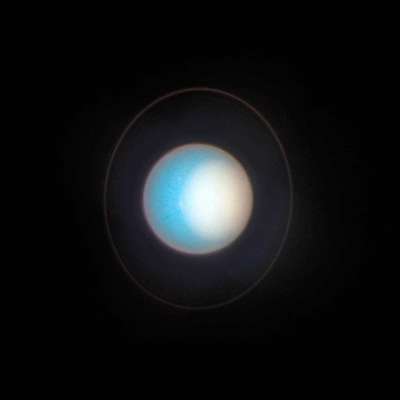
Over at Uranus, these two images taken in 2014 and 2022 show the planet’s unusual orbit, which takes 84 years as it rolls on its side around the Sun. The latter image displays Uranus’s hazy north pole, with several little storms along its boundary.

Jupiter images credit: NASA, ESA, STScI, Amy Simon (NASA-GSFC), and Michael H. Wong (UC Berkeley); Image Processing: Joseph DePasquale (STScI)

Uranus images credit: NASA, ESA, STScI, Amy Simon (NASA-GSFC), and Michael H. Wong (UC Berkeley); Image Processing: Joseph DePasquale (STScI)

#nasa #hubble #jupiter #uranus #planet #space #news #weather #universe #astronomy

image
image
image
image

Language

A

Switch Language?

Would you like to switch language to Danish?