 News Feed
  Albums
  Popular Posts
  Memories
  Pokes
Pokes  Blog
Blog  Market
  Directory
  Events
  Games
Games  Jobs
Jobs  Offers
  Find friends
  Common Things
  Fundings
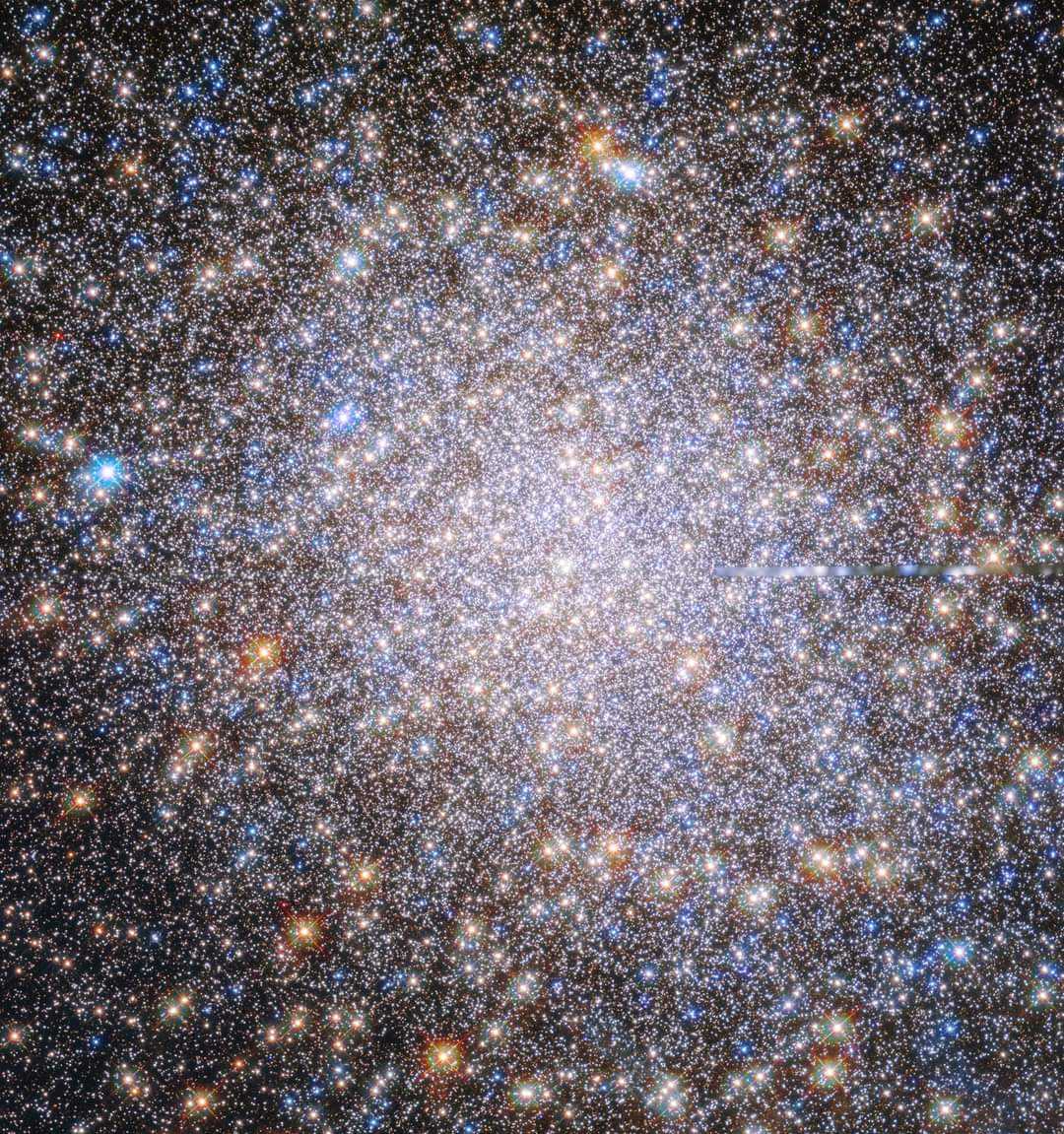
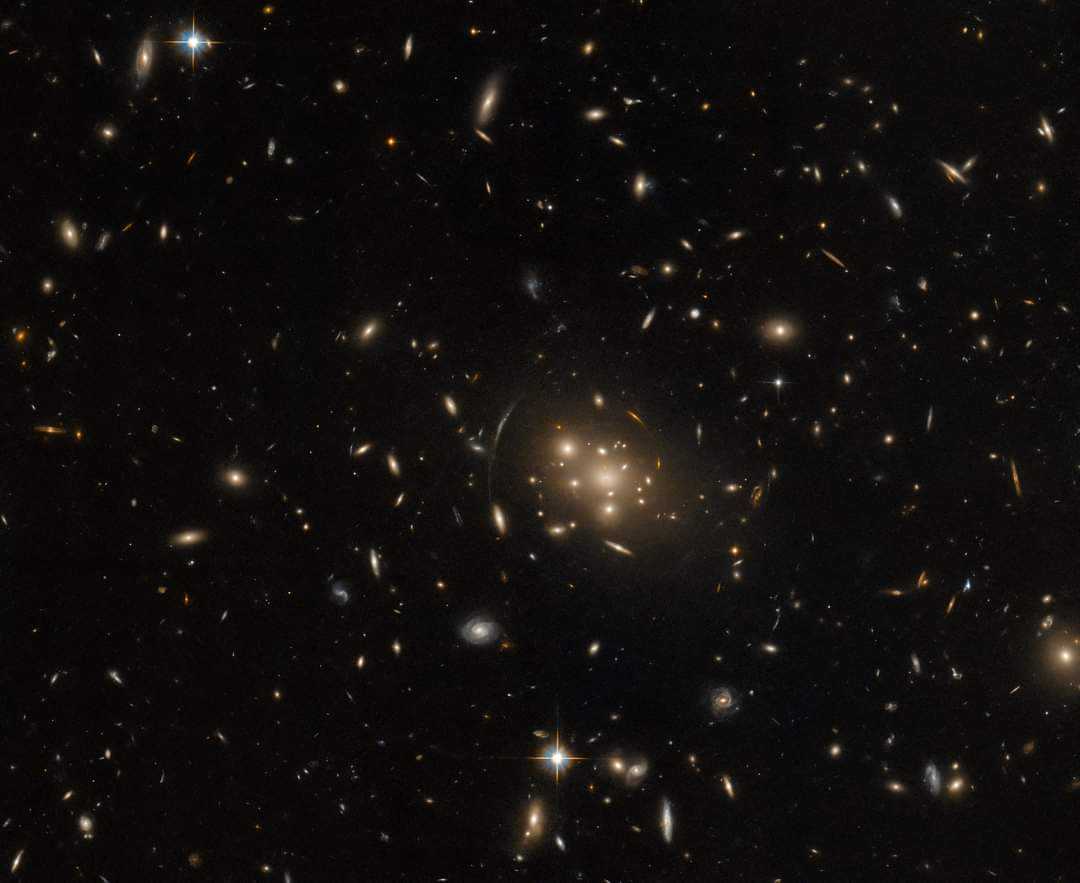
To close out Hubble's 2023 #messiermarathon, here's a glittering new image of Messier 19!
M19 is a globular cluster, but has a slightly elongated shape as opposed to a spherical shape. The cluster is only 6,500 light-years away from the center of our Milky Way, so the gravity and tidal forces from the massive galactic center could be to blame for stretching M19.
The Messier catalog features beautiful stargazing sights that amateur astronomers and observatories like Hubble observe. How many Messier objects did you spot during this year’s marathon?
You can explore all of Hubble's Messier views and learn more about these cosmic objects
Image credit: NASA, ESA, and C. Johnson (STScI); Image Processing: Gladys Kober
#nasa #hubble #messier #stargazing #astronomy #astrophotography #stars #space #science