Fort Aguada Goa
One of the most prestigious sites on the Goan coast is the heritage of the Portuguese structure with Fort Aguada Goa. The Arabian Sea ignores, Fort Agnada Goa gives the attraction of breathtaking perspective, a historical lighting, and centuries-old fortifications. At Jingle Holiday Bazar, we carry curated trips that will let you capture the essence of this background website, best for record fanatics and photography fans. A visit to Fort Aguada Goa isn't only a walk through records but also an opportunity to experience scenic sunsets and the serene vibes of North Goa’s coastline.
#fortaguadagoa #goatourism #heritagesite #exploregoa #indianhistory #goabeaches #travelindia #culturalheritage #goatravelguide #visitgoa #historicallandmark #naturalbeauty #fortaguada #coastalviews #adventureingoa #scenicviews #travelvlog #goadiaries #indiantravel #goanculture

Read More: https://jingleholidaybazar.com....-aguada-goa-blog.php

image

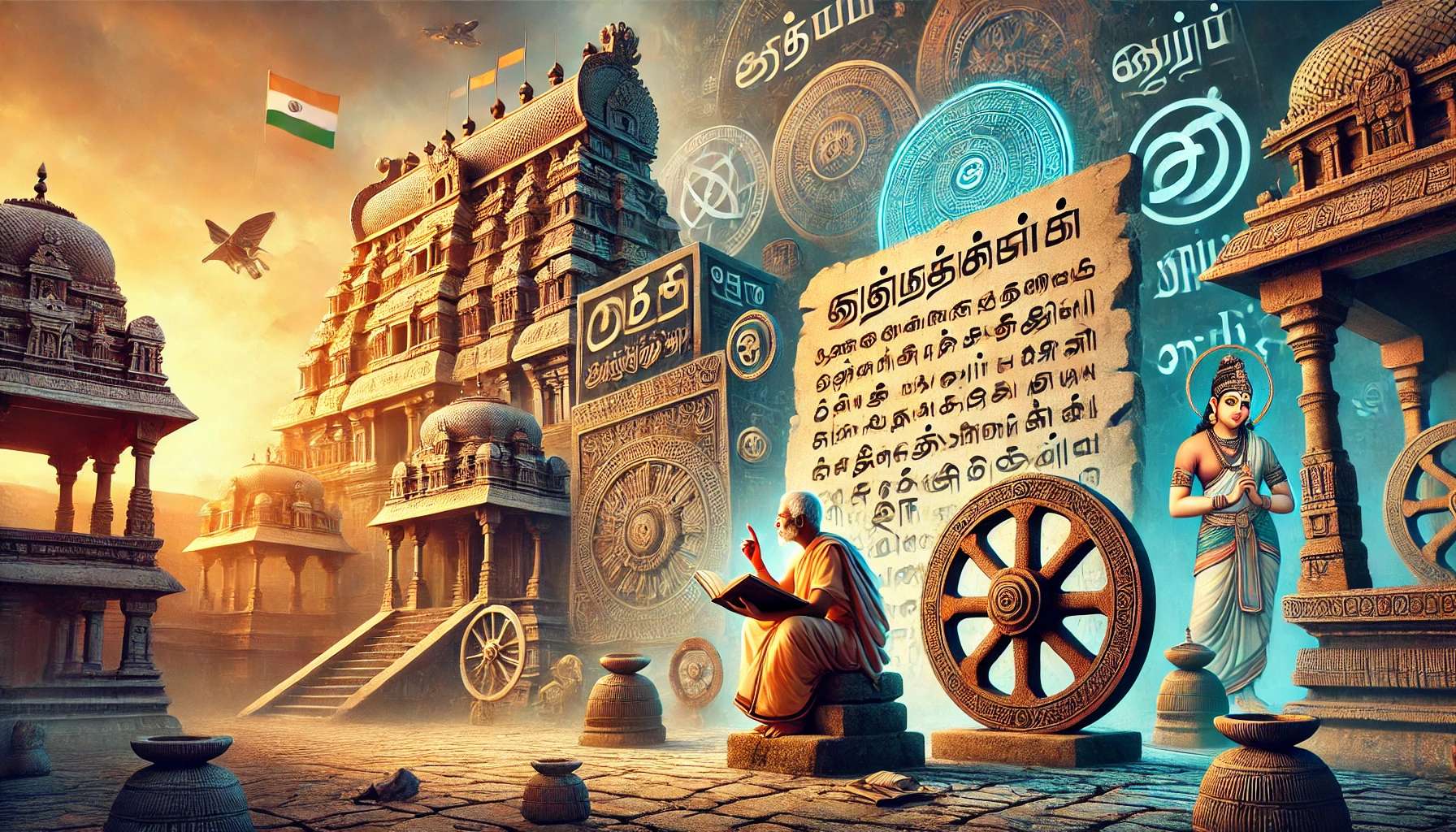
The Linguistic Interplay: Tamil and Sanskrit
The relationship between Tamil and Sanskrit is a captivating study of linguistic evolution, cultural exchange, and historical significance. Both languages have rich histories, and their interactions have shaped the linguistic landscape of India. Here’s a closer look at how these two ancient languages have influenced each other over the centuries.

Historical Context

Sanskrit, an ancient Indo-Aryan language, emerged around the 1st millennium BCE. It became a foundational language for many religious and philosophical texts in Hinduism, Buddhism, and Jainism. Its role as a liturgical language established its prestige and widespread usage across northern India.

On the other hand, Tamil, a Dravidian language, boasts an even older heritage, with its earliest inscriptions dating back to around the 5th century BCE. Tamil is one of the oldest continuously spoken languages in the world and has a vast literary tradition, exemplified by classical works and poetry.

Sanskrit's Influence on Tamil

The influence of Sanskrit on Tamil is significant, particularly in the realms of religion, administration, and literature. As Hinduism permeated South India, a considerable number of Sanskrit words were adopted into the Tamil lexicon. This borrowing was particularly pronounced in contexts involving:

Religious Vocabulary: Terms such as “Deivam” (god), “Shakti” (power), and “Pooja” (worship) are derived from Sanskrit and highlight the cultural integration between the two languages.
Literature and Philosophy: Many Tamil literary works, especially those from the Sangam period, show Sanskrit influences in themes, styles, and content, as Tamil poets drew upon the philosophical and literary traditions of Sanskrit.
Tamil's Influence on Sanskrit

While the influence of Sanskrit on Tamil is well-documented, the reverse has also occurred, albeit to a lesser extent. Some Tamil words have found their way into Sanskrit, particularly during periods of cultural exchange and regional interaction:

Regional Contexts: Certain Tamil terms related to local flora, fauna, and cultural practices were sometimes adopted into Sanskrit. This linguistic exchange often occurred in contexts where Tamil-speaking regions engaged with Sanskrit-speaking scholars and religious leaders.
Loanword Dynamics

The borrowing of words between languages often reflects cultural dynamics and historical contexts. In the case of Tamil and Sanskrit:

Sanskrit has borrowed more from Tamil than vice versa, especially during periods when the cultural and religious narratives of South India became intertwined with those of North India.
The profound influence of Sanskrit on Tamil is particularly evident in religious and literary contexts, where Sanskrit terminology became essential in the administration and temple traditions.
Conclusion

The interplay between Tamil and Sanskrit is a testament to the rich cultural tapestry of India. While Sanskrit has had a more significant impact on Tamil, contributing extensively to its vocabulary, the mutual influences are a reminder of the dynamic nature of language and culture. As we explore these connections, we gain deeper insights into how ancient traditions have shaped contemporary identities, illustrating the enduring legacy of these two remarkable languages.

This ongoing dialogue between Tamil and Sanskrit continues to be a vital area of research, revealing not only linguistic connections but also the shared history of the peoples and cultures that have flourished in India over millennia. As we delve into this fascinating linguistic journey, we celebrate the diversity and richness of India's cultural heritage.

#tamil #sanskrit #linguistics #culturalexchange #indianhistory #ancientlanguages #dravidianlanguages #indoaryanlanguages #sangamliterature #languageevolution #heritage #tamilnadu #sanskritinfluence #culturalheritage #languageandculture #ancientcivilizations #historicallinguistics #india #culturalidentity #literature #archaeology #languagelearning

image

🌌 Ancient Cave Paintings and the Myth of Alien Encounters in India 🌌

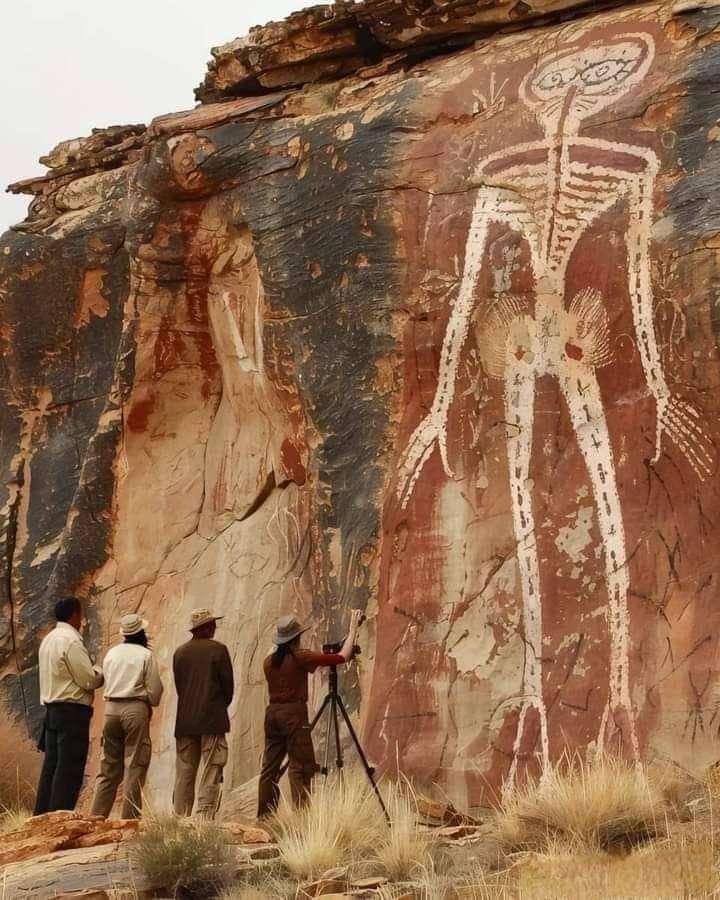
The ancient art and folklore of India have long captivated the imaginations of historians, archaeologists, and enthusiasts of mysteries alike. In the Hoshangabad district of Madhya Pradesh and the Charama area of Chhattisgarh, ancient rock and cave paintings dating back thousands of years hold stories waiting to be interpreted. But could these paintings hint at something beyond our world? Here’s a closer look at what’s fact and what’s myth.

🎨 The Art of Prehistoric India: India is home to some of the most significant prehistoric art, including the famous Bhimbetka rock shelters in Madhya Pradesh. These shelters, a UNESCO World Heritage site, showcase paintings that are over 10,000 years old. The artwork depicts scenes of daily life, hunting, and rituals, created using natural pigments that have remarkably stood the test of time.

In Chhattisgarh’s Charama region, similar rock paintings have been discovered, some of which have piqued the interest of those who believe in the possibility of ancient encounters with beings from other worlds. Among these artworks, certain figures appear to be humanoid shapes with unusual features, such as what some interpret as helmets or suits. Other elements have been described as resembling disc-shaped objects or formations that, to the modern eye, might suggest spacecraft.

👽 Alien Interpretations and the "Rohela People" Myth: Over the years, theories about these cave paintings have sparked conversations beyond the bounds of traditional archaeology. Some researchers and enthusiasts suggest that the paintings may represent extraterrestrial beings or UFOs. This interpretation aligns with the broader idea of the ancient astronaut hypothesis, which posits that extraterrestrial beings visited Earth in ancient times, influencing early human culture and development.

In local folklore, there are tales of beings called the "Rohela People," believed to be visitors from the stars. According to stories passed down through generations, these beings descended from the sky, taught the people new skills, shared wisdom, and then returned to their celestial homes. While these myths can be seen as echoes of human curiosity about the stars and the unknown, they also contribute to the intrigue surrounding the ancient art found in these regions.

🧠 Archaeological Perspectives: Mainstream archaeology tends to interpret these paintings within the context of religious or shamanistic practices. The ancient people may have depicted spirits, deities, or visionary experiences rather than literal extraterrestrial visitors. Symbols such as unusual figures or abstract shapes could represent human connections with the spiritual or supernatural rather than beings from outer space.

🔍 What Do We Really Know?: While the idea of ancient alien encounters is compelling and makes for fascinating discussion, it’s essential to approach these interpretations with a critical eye. The rock art in Hoshangabad and Charama is undoubtedly impressive and mysterious, but it is most commonly understood as part of the rich tapestry of human artistic and cultural expression. The ancient myths, like those of the "Rohela People," enrich the folklore and spiritual history of the region but are not regarded as evidence of extraterrestrial contact by the majority of scholars.

✨ Your Thoughts?: These ancient paintings and myths continue to stir our imaginations and remind us of humanity’s long-standing fascination with the cosmos. What do you think about these interpretations? Are they echoes of ancient beliefs and rituals, or could they hint at something more? Drop your thoughts below! ⬇️

#ancientart #cavepaintings #hoshangabad #charama #indianhistory #mythsandlegends #alientheories #archaeology #mysteriouspast #folklore

image

Language

A

Switch Language?

Would you like to switch language to Arabic?