Introduction: Aligning Surgery With Science
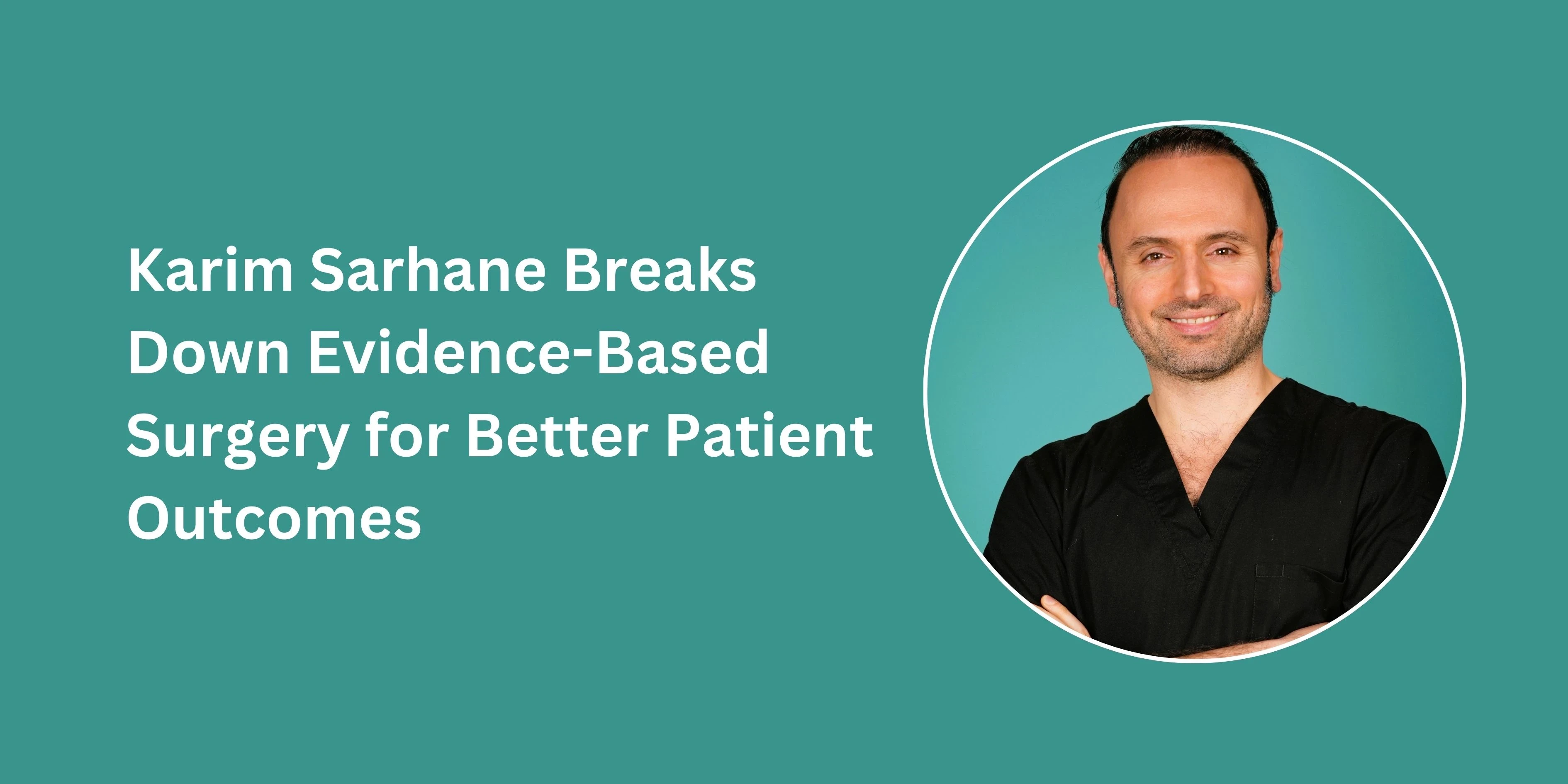
Modern surgical practice is no longer guided solely by experience and tradition. Today, the most effective surgical decisions are grounded in evidence-based medicine, where clinical expertise is combined with the best available scientific data. Karim Sarhane emphasizes that evidence-based surgery is essential for improving patient outcomes, enhancing safety, and ensuring consistency in care across healthcare systems. By integrating research findings into daily surgical practice, surgeons can deliver care that is both precise and predictable.
Understanding Evidence-Based Surgery
Evidence-based surgery refers to the systematic use of high-quality clinical research, patient values, and surgeon expertise to guide decision-making. According to Karim Sarhane, this approach moves beyond intuition by relying on validated data from randomized trials, clinical guidelines, and outcome studies. It ensures that every surgical intervention is justified, measurable, and aligned with proven standards of care. This methodology helps reduce unnecessary procedures while improving long-term results.
Enhancing Patient Safety and Outcomes
Patient safety is a core benefit of evidence-based surgery. By following established protocols supported by research, surgeons can significantly reduce complications such as infections, bleeding, and postoperative morbidity. Karim Sarhane highlights that evidence-based pathways allow surgeons to anticipate risks, optimize preoperative preparation, and apply standardized postoperative care. The result is shorter hospital stays, faster recovery times, and higher patient satisfaction.
The Role of Data in Surgical Decision-Making
Data-driven decision-making plays a critical role in modern surgical practice. Outcomes data, registries, and clinical audits provide valuable insights into what works best for specific patient populations. Karim Sarhane underscores the importance of continuously analyzing surgical outcomes to refine techniques and improve performance. By learning from real-world data, surgeons can adapt their approaches to deliver more personalized and effective care.
Bridging Research and Clinical Practice
One of the challenges in surgery is translating research findings into everyday practice. Karim Sarhane explains that successful implementation requires ongoing education, collaboration, and institutional support. Surgeons must stay current with evolving guidelines and emerging evidence while maintaining technical excellence. When research and practice are aligned, patients benefit from treatments that reflect the latest advancements in surgical science.
Advancing the Future of Surgical Care
Evidence-based surgery is shaping the future of healthcare by promoting transparency, accountability, and continuous improvement. Karim Sarhane advocates for a culture where surgeons actively engage with research, contribute to clinical studies, and embrace innovation responsibly. This approach not only elevates professional standards but also ensures that patient care remains at the center of surgical progress.
Conclusion: A Commitment to Better Care
By breaking down evidence-based surgery, Karim Sarhane reinforces the importance of combining scientific rigor with clinical expertise. This balanced approach empowers surgeons to make informed decisions, reduces variability in care, and ultimately leads to better patient outcomes. As healthcare continues to evolve, evidence-based surgery will remain a cornerstone of high-quality, patient-centered surgical care.
Visit:- https://www.pinterest.com/karimsarhaneofficial/