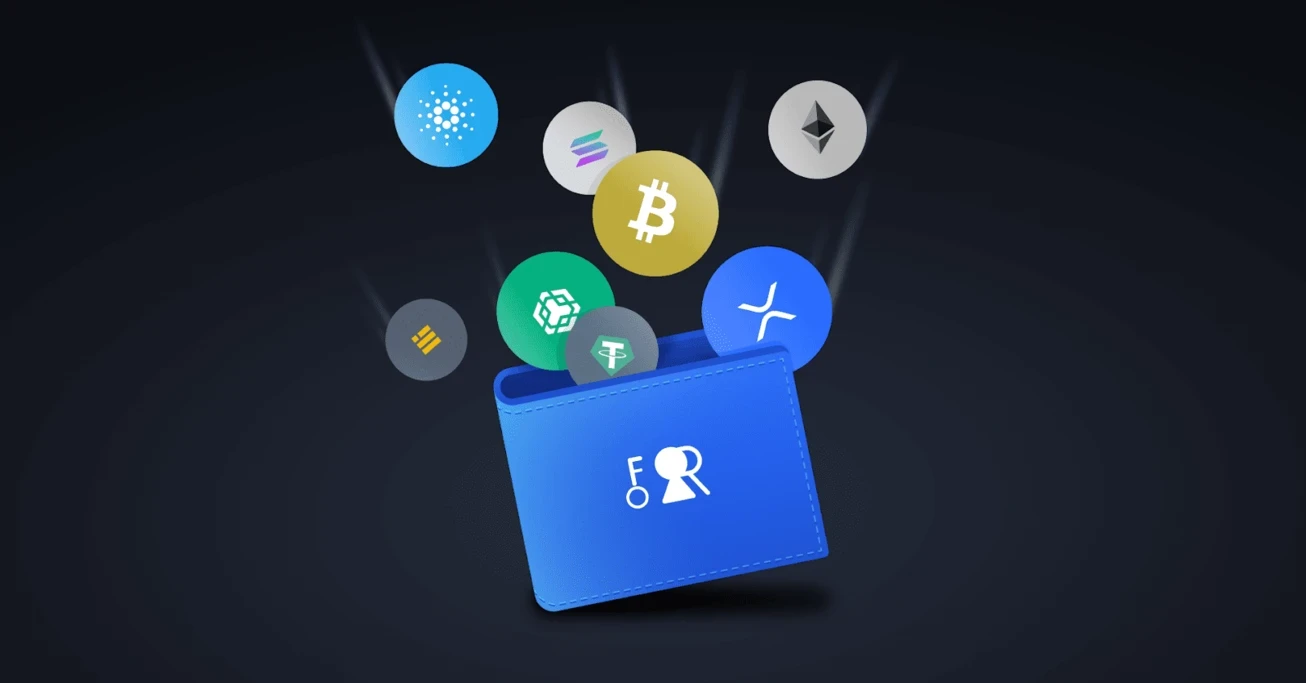
Crypto Wallet Market Innovations: Shaping the Future of Digital Asset Security and Access
The Crypto Wallet Market is evolving rapidly as digital assets become more mainstream and user expectations rise. What began as simple storage tools for cryptocurrencies has transformed into a sophisticated ecosystem of secure, feature-rich platforms. Today’s crypto wallets are not just about holding tokens; they are gateways to decentralized finance, digital identity, and the broader Web3 economy.
Below is a detailed look at the key innovations driving change in the crypto wallet landscape.
Evolution from Storage Tools to Financial Hubs
Early crypto wallets focused on one core function: safely storing private keys. While security remains fundamental, modern wallets now act as full-service financial hubs. Users can send, receive, stake, swap, and even lend digital assets from a single interface.
This evolution reflects growing demand for convenience. Instead of juggling multiple platforms, users prefer wallets that integrate seamlessly with exchanges, decentralized applications, and payment systems. As a result, wallets have become central to how individuals interact with blockchain technology.
Enhanced Security Through Advanced Technologies
Security innovation remains at the heart of the Crypto Wallet Market. Developers are moving beyond traditional password-based protection to multi-layered security frameworks.
Biometric authentication, including fingerprint and facial recognition, has become increasingly common. Hardware-based secure enclaves isolate private keys from internet-connected environments, reducing exposure to cyber threats. Multi-signature authorization adds another layer by requiring approval from multiple parties before transactions are executed.
These advancements aim to balance robust protection with ease of use, ensuring that enhanced security does not intimidate less technical users.
Rise of Non-Custodial Wallets and User Control
A major shift in the market is the growing preference for non-custodial wallets. These solutions give users full control over their private keys and assets, aligning with the decentralized philosophy of blockchain.
Innovations in key recovery mechanisms are making non-custodial wallets more accessible. Social recovery features, encrypted backups, and hardware integrations help users regain access without relying on centralized entities. This reduces the fear of permanent loss while preserving autonomy.
As trust in centralized platforms fluctuates, user-controlled wallets continue to gain traction.
Seamless Integration with DeFi and Web3 Applications
Modern crypto wallets are increasingly designed to function as gateways to decentralized finance and Web3 services. Built-in browsers and application connectors allow users to interact directly with decentralized exchanges, NFT marketplaces, and blockchain-based games.
This integration eliminates friction. Users no longer need to export keys or switch platforms to access new services. Wallets now provide smooth, in-app experiences that mirror the simplicity of traditional financial applications while retaining decentralized benefits.
Such innovation is crucial in onboarding new users to blockchain ecosystems.
Cross-Chain and Multi-Asset Compatibility
As the number of blockchain networks grows, interoperability has become a key innovation area. Wallets are now designed to support multiple blockchains and asset types within a single interface.
Cross-chain functionality allows users to manage cryptocurrencies, stablecoins, and tokens across various networks without maintaining separate wallets. Some solutions also incorporate built-in bridges, enabling asset transfers between blockchains with minimal effort.
This flexibility reflects the increasingly fragmented yet interconnected nature of the digital asset space.
Improved User Experience and Interface Design
User experience innovation is reshaping how people perceive crypto wallets. Early designs often catered to developers and experienced users, but today’s wallets emphasize simplicity and clarity.
Clean interfaces, guided onboarding, and contextual prompts help users understand transactions and risks. Visual transaction previews and real-time balance updates enhance transparency. These improvements reduce the learning curve and encourage broader adoption.
Wallets are now designed not just for functionality, but for comfort and confidence.
Visit: https://www.pristinemarketinsi....wallet-market-report
#cryptowalletmarket #cryptoinnovation #blockchaintechnology #digitalassets #web3 #defi #fintech #cryptocurrency